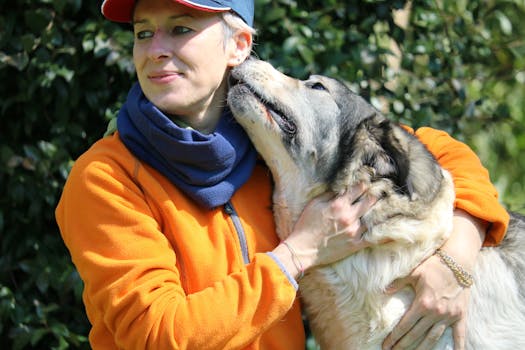

Picture this: a slobbery kiss from a creature that could easily rest its chin on your shoulder, a rumbling bark that reassures you of their presence, and a loyal shadow that follows you from room to room. This is the reality for many who share their lives with large dog breeds. Often misunderstood and sometimes feared, these magnificent animals possess a unique charm and a capacity for love that can profoundly enrich our lives. It’s not just about their impressive stature; it’s about the depth of connection they offer.
When we talk about large dog breeds, we’re not just referring to a physical characteristic. We’re discussing a commitment, a lifestyle, and a bond built on trust and understanding. From the stoic Great Dane to the ever-energetic Bernese Mountain Dog, each breed brings its own set of traits, requiring a thoughtful approach from potential owners. Let’s dive into what makes these giants so special and what prospective owners should truly consider.
Dispelling Myths: Are They All Just Lounging Loungers?
There’s a common misconception that all large dogs are inherently lazy or merely decorations in a home. While some breeds certainly enjoy their downtime, many are incredibly active and require substantial physical and mental stimulation. Take the Irish Wolfhound, for instance. Despite their imposing size, they were bred for endurance hunting and can thrive with long, brisk walks or even jogs. Similarly, the Newfoundland, often depicted as a gentle giant napping by the fire, was originally a working dog, pulling nets and rescuing people from water – a testament to their strength and stamina.
It’s crucial to match a breed’s energy level to your own lifestyle. A sedentary owner with a highly energetic large breed is a recipe for frustration for both parties. Conversely, an active individual might find their perfect partner in a breed that requires significant exercise. Understanding the historical purpose of a breed offers invaluable insight into their modern-day needs.
The Training Imperative: Guiding a Gentle Giant
Owning a large dog breed isn’t just about providing space; it’s about responsible ownership, and that unequivocally includes robust training. A well-trained large dog is a pleasure to be around, a confident companion, and a safe member of the community. The consequences of poor training with a big dog can be far more significant than with a smaller counterpart.
Early socialization is paramount. Exposing puppies to various sights, sounds, people, and other animals in a positive way helps them grow into well-adjusted adults. Obedience training should begin as soon as your puppy settles in. Commands like “sit,” “stay,” and “come” are not just for convenience; they are essential for safety. Furthermore, leash training is vital. Imagine trying to control a powerful dog that pulls relentlessly – it’s an unenviable situation.
Beyond the Bark: Essential Considerations for Care
The physical needs of large dog breeds extend beyond just exercise. Consider their nutritional requirements. Puppies of larger breeds grow at an accelerated rate, and this rapid growth can lead to skeletal issues if not managed properly. Feeding a high-quality, large-breed-specific puppy food is essential to ensure balanced development. As they mature, their dietary needs will change, and consulting with your veterinarian is always the best course of action.
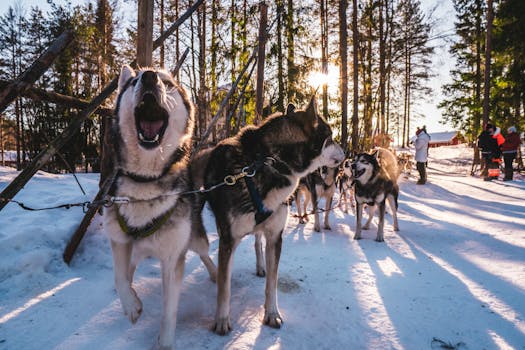
Grooming can also be a significant undertaking. Many large breeds have thick coats that require regular brushing to prevent matting and reduce shedding. Think of the Siberian Husky or the Alaskan Malamute – beautiful, but a commitment to their fur is non-negotiable. Regular nail trims, ear cleaning, and dental care are also crucial components of their overall health regimen.
The Unseen Benefits: Emotional Companionship and Protection
One of the most rewarding aspects of sharing your life with a large dog breed is the profound emotional connection they offer. Their loyalty is often unwavering, and their presence can be incredibly comforting. Many owners report feeling safer and more secure with a larger dog in the home, not just due to their physical deterrent effect, but also because of their innate protective instincts towards their families.
However, it’s vital to distinguish between a protective instinct and aggression. Responsible breeding and training ensure that a large dog’s protective nature is channeled appropriately, resulting in a watchful guardian rather than an overzealous threat. In my experience, the quiet understanding and unwavering devotion I’ve received from my own large companions have been among the most enriching aspects of my life. They are more than pets; they are family members who offer a silent, steady presence through life’s ups and downs.
Finding Your Perfect Giant: A Journey of Discovery
Choosing a large dog breed is a decision that should never be taken lightly. It requires research, introspection, and a realistic assessment of your capabilities and lifestyle. Don’t choose a breed solely based on its appearance; delve into its temperament, exercise needs, potential health issues, and grooming requirements. Spending time with the breed, speaking to owners, and consulting with reputable breeders or rescue organizations are invaluable steps.
Remember, even the most regal and imposing large dog breed is, at its core, a sentient being deserving of love, care, and understanding. The rewards of welcoming one into your life can be immeasurable, forging a bond that is as deep and strong as their magnificent physique.
Wrapping Up: The Enduring Allure of Canine Colossi
Ultimately, the appeal of large dog breeds lies in their multifaceted nature. They are not just big; they are brave, loyal, loving, and capable of forming incredibly strong bonds. They challenge us to be more active, more disciplined, and more present. For those prepared to meet their needs with dedication and love, the companionship of a large dog breed is an unparalleled gift. It’s about embracing the responsibility that comes with such a magnificent presence and, in return, receiving a loyalty and affection that is truly larger than life.